 Prof. Dr. Mehmet Arhan
 Türkçe
 English
Colon Polyps
What Are Colon Polyps?
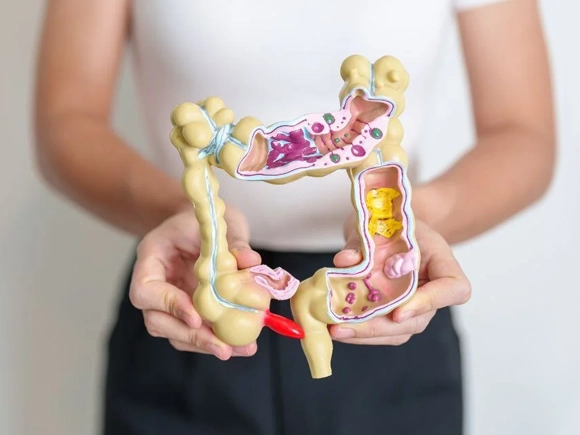
Colon polyps are small tissue growths that develop on the surface of the large intestine lining. Most polyps are initially small and benign, often causing no symptoms and are usually detected incidentally during routine examinations. However, some polyps can grow over time and have the potential to become cancerous. Polyps vary in shape and size; they may be stalked or flat, single or multiple. When detected early, treatment is generally straightforward.
Why Do Colon Polyps Form?
Age, genetic predisposition, and lifestyle factors play an important role in polyp formation. The risk increases with age, and polyps are more commonly seen in individuals over 50. People with a family history of colon polyps or colon cancer are at higher risk. Low-fiber, high-fat diets, smoking, excessive alcohol consumption, sedentary lifestyle, and obesity can contribute to polyp development. Chronic intestinal conditions, such as inflammatory bowel disease, can also facilitate the formation of polyps.
Types of Colon Polyps
Polyps are classified based on their structural characteristics:
- Adenomatous polyps: The most common type, with potential to become cancerous.
- Hyperplastic polyps: Usually benign, with a low risk of malignancy.
- Serrated polyps: Some types can become cancerous, particularly large and saw-toothed (serrated) polyps.
- Hamartomatous and inflammatory polyps: Rare and generally low-risk.
Symptoms of Colon Polyps
Most polyps do not cause symptoms and progress silently. However, in some cases, symptoms may appear when polyps grow or begin to bleed from the surface. These can include blood or mucus in the stool, changes in bowel habits such as constipation or diarrhea, fatigue due to anemia, and rarely abdominal pain. Symptoms are generally proportional to the number and size of the polyps.
Can Colon Polyps Turn into Cancer?
Not all polyps become cancerous; however, adenomatous and some serrated polyps can increase the risk of colon cancer over time. This transformation usually occurs over several years and can be prevented with early detection. Regular screening and removal of polyps significantly reduce the likelihood of developing colon cancer.
How Is a Diagnosis Made with Colonoscopy?
Colonoscopy is the primary diagnostic method for visualizing the inner surface of the large intestine and detecting polyps. A flexible tube allows a detailed examination of the bowel. If a suspicious area is observed, a biopsy can be taken or the polyp can be removed during the same session. Fecal occult blood tests and other imaging methods can assist in diagnosis, but a definitive diagnosis is made through colonoscopy.
How Is Polyp Removal (Polypectomy) Performed?
Polypectomy is the procedure of removing polyps during a colonoscopy. Small polyps are removed using special loops or forceps, while larger polyps may require advanced techniques such as endoscopic mucosal resection. After the procedure, the removed polyps are sent for pathological examination to determine their type and assess cancer risk.
Follow-Up and Monitoring After Colonoscopy
The follow-up intervals after colonoscopy depend on the number, size, and type of polyps. If high-risk polyps are removed, the next check is usually scheduled within 1–5 years. For low-risk or polyp-free patients, follow-up can extend up to 10 years. Personal risk factors play an important role in determining the doctor’s monitoring plan.
Relationship Between Colon Polyps and Nutrition / Lifestyle
Diet and lifestyle are key factors in polyp formation. A fiber-rich diet with vegetables, fruits, and whole grains helps reduce the risk. Limiting red and processed meats, engaging in regular exercise, maintaining healthy body weight, and reducing smoking and alcohol consumption are important preventive measures.
What Are Genetic Polyposis Syndromes?
Some hereditary conditions cause polyps to develop at a young age and increase the risk of colon cancer.
- FAP (Familial Adenomatous Polyposis): Can cause hundreds of polyps, with a very high risk of cancer if left untreated.
- Lynch Syndrome: Increases the risk of colon cancer as well as certain other cancers.
- Other rare syndromes: Include Peutz‑Jeghers syndrome and juvenile polyposis.
What Happens if Colon Polyps Are Not Treated?
Untreated polyps can grow over time and potentially turn into cancer. They may also lead to complications such as bowel obstruction, bleeding, and anemia. For this reason, early removal and regular monitoring of polyps are critically important.
Prevention and Protective Measures Against Colon Polyps
There is no guaranteed way to completely prevent polyps, but the risk can be reduced. Regular screening tests allow early detection of polyps. A balanced diet, adequate fiber intake, physical activity, weight management, and limiting smoking and alcohol consumption provide protective effects. It is also important to follow the monitoring plan recommended by a doctor, taking individual risk factors into account.
