 Prof. Dr. Mehmet Arhan
 Türkçe
 English
Liver Cirrhosis Treatment Ankara, Turkey
What Is Liver Cirrhosis?
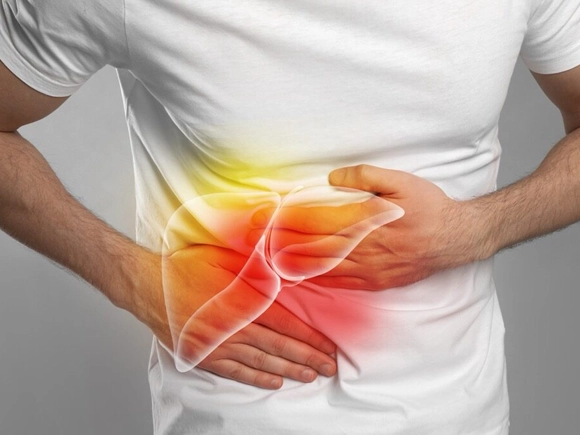
Liver cirrhosis is a progressive and irreversible disease in which the liver loses its structural integrity and functional capacity as a result of long-term damage.
Under normal conditions, the liver performs vital functions such as detoxifying harmful substances, metabolizing nutrients, and synthesizing proteins. In cirrhosis, however, healthy liver cells are gradually replaced by hardened fibrotic tissue. This process disrupts normal blood flow through the liver, restricts its function, and leads to the accumulation of toxins in the body.
As a result, essential liver functions including detoxification, energy production, and support of the immune system become impaired.
What Causes Liver Cirrhosis?
The most common causes of cirrhosis include chronic alcohol use, viral hepatitis B and C infections, and non-alcoholic steatohepatitis (NASH),which leads to fat accumulation in the liver.
These factors cause long-term inflammation in liver cells, resulting in progressive tissue damage. In addition, autoimmune hepatitis, hereditary metabolic disorders (such as Wilson’s disease and hemochromatosis),chronic bile duct obstruction, and certain toxic medications may also contribute to the development of cirrhosis.
Regardless of the underlying cause, the common mechanism involves ongoing liver cell death followed by repeated attempts at regeneration. Over time, this cycle leads to the formation of scar tissue and permanent structural damage.
Symptoms of Liver Cirrhosis
In the early stages, cirrhosis often presents without noticeable symptoms and progresses silently.
As the disease advances, symptoms such as fatigue, loss of appetite, weight loss, nausea, jaundice (yellowing of the skin and eyes),and abdominal swelling due to fluid accumulation (ascites) may develop. Itching of the skin, easy bruising, and nose or gum bleeding are also common findings.
In advanced stages, patients may develop hepatic encephalopathy, characterized by confusion, memory impairment, and behavioral changes, resulting from the liver’s inability to adequately clear toxins from the body.
The most common symptoms of liver cirrhosis include:
- Fatigue and weakness
- Loss of appetite and weight loss
- Jaundice (yellowing of the skin and eyes)
- Fluid accumulation in the abdomen (ascites)
- Itching and increased tendency to bruise
- Nosebleeds and gum bleeding
- Confusion and memory problems (hepatic encephalopathy)
How Is Cirrhosis Diagnosed?
The diagnosis of cirrhosis is based on clinical findings, laboratory tests, imaging studies, and sometimes liver biopsy. Blood tests may show elevated liver enzymes (AST, ALT),decreased albumin levels, and prolonged clotting time.
Imaging techniques such as ultrasonography, elastography, and magnetic resonance imaging (MRI) can reveal liver size, tissue stiffness, and signs of portal hypertension. In some cases, a liver biopsy is performed to confirm the diagnosis and determine the degree of fibrosis.
Diagnostic methods include:
- Physical examination and clinical evaluation
- Liver function tests (AST, ALT, bilirubin)
- Imaging with ultrasonography or elastography
- Magnetic resonance imaging (MRI) or CT scan
- Liver biopsy for histological analysis
- Measurement of blood clotting time (INR) and albumin levels
Stages of Liver Cirrhosis
Cirrhosis is generally divided into two main stages: compensated and decompensated. In compensated cirrhosis, the liver can still perform its functions, and the disease is usually asymptomatic during this period.
In the decompensated stage, liver function becomes severely impaired, leading to complications such as ascites, variceal bleeding, jaundice, and hepatic encephalopathy. Staging is also performed using systems such as the Child-Pugh and MELD scores, which help determine disease severity and the need for liver transplantation.
Liver Cirrhosis Treatment in Ankara, Turkey
Liver cirrhosis treatment in Ankara, Turkey is carried out through a comprehensive and multidisciplinary approach tailored to the underlying cause and stage of the disease. Patients benefit from advanced diagnostic imaging, laboratory evaluation, and individualized treatment planning that may include antiviral therapy, lifestyle modifications, endoscopic procedures for portal hypertension, and careful monitoring for potential complications.
In more advanced cases, patients are assessed for liver transplantation in specialized centers. Ankara is recognized for its experienced hepatologists and well-equipped medical facilities, offering both local and international patients structured follow-up care and evidence-based management aimed at slowing disease progression and improving quality of life.
Treatment Methods for Cirrhosis
The treatment of cirrhosis depends on the cause and stage of liver damage. In the early stages of the disease, the goal is to control the underlying cause and halt disease progression. For example, complete cessation of alcohol in alcoholic cirrhosis, antiviral therapy for hepatitis-related cirrhosis, and corticosteroids for autoimmune hepatitis may be applied.
Treatment of complications includes controlling ascites with diuretics, managing infections with antibiotics, and using medications to address portal hypertension. However, in advanced stages of cirrhosis, the only definitive treatment option is liver transplantation.
Advanced-Stage Cirrhosis and Liver Transplantation
In patients who reach the decompensated stage, liver function becomes irreversibly impaired, making liver transplantation inevitable. Transplantation significantly improves both quality of life and life expectancy.
Selection of suitable candidates is based on the MELD score and overall health status. Long-term immunosuppressive therapy is required after the transplant to prevent organ rejection. Adherence to this treatment must be supported with lifelong medical follow-up.
Lifestyle Recommendations for Patients with Cirrhosis
Patients with cirrhosis should adopt a liver-protective lifestyle. Avoiding alcohol and medications that are toxic to the liver is a primary priority. Regular exercise, balanced nutrition, and maintaining an ideal body weight are also important.
Salt restriction is effective in reducing fluid retention and ascites formation. Vaccinations, such as influenza and hepatitis A, are recommended to prevent infections. Regular medical check-ups help detect complications early and allow timely intervention.
Nutrition in Liver Cirrhosis
Nutrition plays a critical role in slowing the progression of cirrhosis. Protein intake is necessary for liver cell regeneration, but the amount should be carefully monitored if there is a high risk of hepatic encephalopathy.
Salt restriction (typically less than 2 grams per day) is recommended to control ascites and edema. Adequate calorie intake must be ensured, and supplementation with vitamins A, D, E, K, and zinc should be considered. Alcohol is strictly prohibited, and processed foods should be avoided.
Dietary recommendations for liver cirrhosis include:
- Adequate and balanced protein intake (not restricted if encephalopathy is absent)
- Salt restriction (less than 2 grams per day)
- Complete avoidance of alcohol
- Preference for fresh vegetables, fruits, and whole grains
- Consideration of vitamin A, D, E, K, and zinc supplementation
- Avoidance of fatty, processed, and canned foods
Ways to Prevent Liver Cirrhosis
The primary way to prevent cirrhosis is to protect liver health. Limiting alcohol consumption, receiving hepatitis A and B vaccinations, maintaining a healthy diet, and preventing obesity are essential.
Regular monitoring of hepatitis B and C carriers allows for early management of the disease. Additionally, unnecessary medications, toxic substances, and uncontrolled herbal supplements should be avoided.
To prevent liver cirrhosis:
- Completely avoid alcohol consumption
- Get vaccinated against hepatitis A and B
- Maintain a healthy and balanced diet
- Prevent obesity and engage in regular exercise
- Avoid unnecessary medications and herbal supplements
- Monitor liver function with regular health check-ups
Effects of Alcohol on the Liver
Alcohol exerts a direct toxic effect on liver cells by causing oxidative stress and inflammation. Prolonged and heavy alcohol consumption creates a chain of damage, starting with fatty liver, progressing to alcoholic hepatitis, and eventually leading to cirrhosis.
During alcohol metabolism, acetaldehyde is produced, which damages cellular DNA and proteins. For this reason, alcoholic cirrhosis is one of the most common causes of liver transplantation in developed countries.
Viral Hepatitis and Cirrhosis
Hepatitis B and C viruses cause chronic inflammation in the liver, impairing cell regeneration and eventually leading to fibrosis. This is one of the leading causes of cirrhosis.
Hepatitis C, in particular, progresses silently; patients may remain asymptomatic for many years. Antiviral treatments can reduce viral load and prevent the development of cirrhosis. Early diagnosis is key to preventing irreversible liver damage.
Liver Function Tests
The main tests used to evaluate liver health include AST, ALT, ALP, bilirubin, albumin, and prothrombin time. These parameters provide information about the liver’s enzymatic activity, protein synthesis, and bile production.
Abnormal values may indicate liver cell damage or obstruction in bile flow. Regular testing helps monitor disease progression and response to treatment.
Prognosis and Follow-Up of Cirrhosis
The course of cirrhosis depends on the underlying cause, stage of the disease, and patient adherence to treatment. If detected early and the cause is controlled, life expectancy can be significantly improved. However, in advanced cirrhosis, prognosis worsens, and the likelihood of liver transplantation increases.
Regular laboratory tests, ultrasound monitoring, and follow-up for complications are essential to determine prognosis. Periodic screening is also recommended to detect hepatocellular carcinoma risk.
Which Doctor or Department Should Be Consulted for Liver Cirrhosis?
The appropriate departments for the diagnosis and treatment of liver cirrhosis are Gastroenterology or Hepatology. These specialists have advanced knowledge of liver diseases and are responsible for planning the necessary laboratory tests, imaging studies, and biopsy procedures.
When needed, a multidisciplinary approach may involve dietitians, surgeons, and transplant teams. Consulting the right specialist early is critical for slowing disease progression and improving outcomes.
